


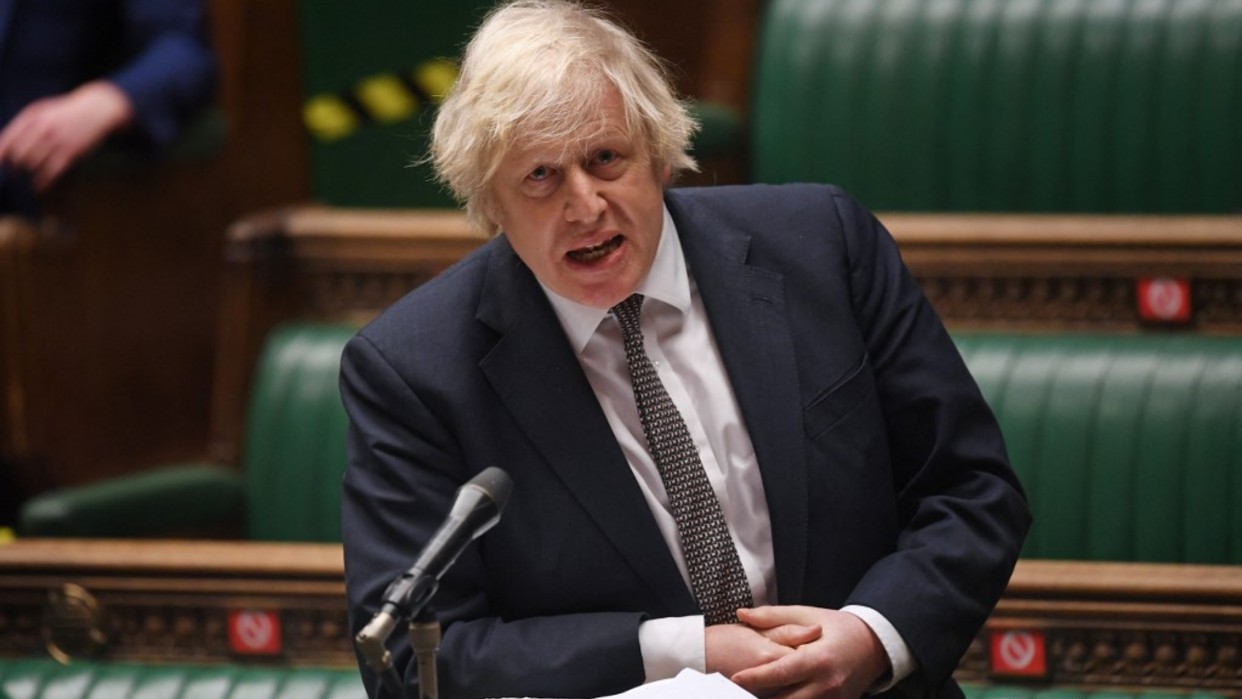

"Intentar normalizar las relaciones con (el presidente ruso Vladimir)
Putin después de esto, como lo hicimos en 2014, sería cometer de nuevo
el mismo error", dijo Johnson, refiriéndose a la anexión de Crimea, en
Ucrania, por parte de Rusia, destacó AFP.
En un discurso en el congreso de su partido, en Blackpool (norte de Inglaterra) en presencia del embajador ucraniano en Londres, Vadim Pristaiko, Boris Johnson declaró que había llegado la hora de "elegir entre libertad y opresión".
El primer ministro consideró que se "equivocan profundamente" quienes "piensan que sería mejor acostumbrarse a la tiranía".
Horas antes, la ministra británica de Relaciones Exteriores, Liz Truss, declaró que temía que las negociaciones para lograr una tregua entre Rusia y Ucrania solo sean una "cortina de humo" usada por el Kremlin para intensificar su ofensiva.
En una entrevista con el diario The Times, Truss dijo que era "muy escéptica" sobre estas negociaciones y consideró que Rusia podría estar usándolas "para distraer".
"Su invasión no ocurre como habían previsto. No vemos ninguna retirada importante de tropas rusas ni ninguna propuesta seria sobre la mesa", dijo.
"Los rusos mintieron y siguen mintiendo. Temo que la negociación solo sea un nuevo intento de distraer y crear una cortina de humo", agregó.
La ministra estimó que si "un país se toma en serio las negociaciones no bombardea civiles ciegamente ese mismo día".
Truss reaccionó así al último informe del ministerio de Defensa británico sobre la situación en Ucrania hecho público el sábado y en el que se afirma que el "Kremlin no ha logrado hasta ahora sus objetivos iniciales" y "se ha visto obligado a cambiar su táctica".
Esto implicará "probablemente un uso ciego de la potencia militar, lo que traerá consigo un aumento de las bajas civiles, destrucción de infraestructuras ucranianas y una intensificación de la crisis humanitaria", previó.
Ucranianos y rusos han celebrado varias reuniones desde el 24 de febrero, día en que comenzó la invasión rusa. Esta semana las negociaciones fueron por videoconferencia.
El presidente ucraniano, Volodimir Zelenksi, instó el sábado a Rusia que acepten una reunión para hablar de paz.