


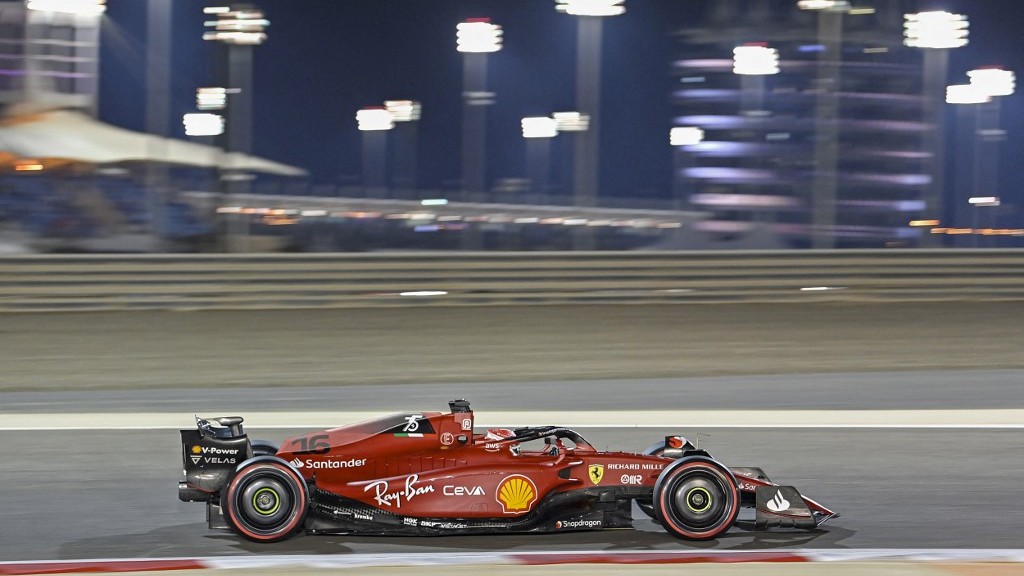

Sakhir, Bahrein.- El monegasco Charles Leclerc (Ferrari) consiguió la primera 'pole position' de la temporada 2022 de la Fórmula 1, este sábado en el Gran Premio de Bahrein, justo por delante del vigente campeón mundial, el neerlandés Max Verstappen (Red Bull), segundo.
La segunda línea de la parrilla en el circuito de Sakhir fue para el español Carlos Sainz Jr (Ferrari) y para el mexicano Sergio Pérez (Red Bull), tercero y cuarto respectivamente en la sesión de clasificación, mientras que el británico Lewis Hamilton (Mercedes) fue quinto.
Los tres primeros de la sesión de clasificación estuvieron este sábado en un margen de apenas 129 milésimas de segundo.
Hamilton tuvo más problemas y quedó en la hoja de tiempos del día a 680 milésimas de Leclerc.
Ironía del destino, Hamilton tomará la salida el domingo junto a su excompañero finlandés Valtteri Bottas, que corre ahora para Alfa Romeo y que fue sexto.
Les seguirán en la parrilla, el danés Kevin Magnussen (Haas), que sorprendió siendo séptimo en la sesión en su regreso a la F1 tras un año de ausencia, mientras que el español Fernando Alonso (Alpine) fue octavo y el nuevo fichaje de Mercedes, el británico George Russell, tuvo que conformarse con un noveno lugar.
En Aston Martin, el alemán Nico Hülkenberg sustituye este fin de semana a su compatriota Sebastian Vettel, que dio positivo al covid-19, y apenas pudo ser 17º, aunque quedó mejor que el otro piloto de la escudería, el canadiense Lance Stroll, que fue 19º.
El australiano Daniel Ricciardo, 18º, está teniendo por ahora un regreso difícil con su McLaren, después de haberse perdido las últimas pruebas de pretemporada en Baréin por un positivo al covid.
-- Parrilla de salida del GP de Bahrein:
1ª línea:
Charles Leclerc (MON/Ferrari)
Max Verstappen (NED/Red Bull)
2ª línea:
Carlos Sainz Jr (ESP/Ferrari)
Sergio Pérez (MEX/Red Bull)
3ª línea:
Lewis Hamilton (GBR/Mercedes)
Valtteri Bottas (FIN/Alfa Romeo-Ferrari)
4ª línea:
Kevin Magnussen (DEN/Haas-Ferrari)
Fernando Alonso (ESP/Alpine-Renault)
5ª línea:
George Russell (GBR/Mercedes)
Pierre Gasly (FRA/AlphaTauri-Red Bull)
6ª línea:
Esteban Ocon (FRA/Alpine-Renault)
Mick Schumacher (GER/Haas-Ferrari)
7ª línea:
Lando Norris (GBR/McLaren-Mercedes)
Alexander Albon (THA/Williams-Mercedes)
8ª línea:
Zhou Guanyu (CHN/Alfa Romeo-Ferrari)
Yuki Tsunoda (JPN/AlphaTauri-Red Bull)
9ª línea:
Nico Hülkenberg (GER/Aston Martin-Mercedes)
Daniel Ricciardo (AUS/McLaren-Mercedes)
10ª línea:
Lance Stroll (CAN/Aston Martin-Mercedes)
Nicholas Latifi (CAN/Williams-Mercedes)
- Resultados de la Q3 de la sesión de clasificación del GP de Baréin:
1. Charles Leclerc (MON/Ferrari) 1:30.558
2. Max Verstappen (NED/Red Bull) 1:30.681
3. Carlos Sainz Jr (ESP/Ferrari) 1:30.687
4. Sergio Pérez (MEX/Red Bull) 1:30.921
5. Lewis Hamilton (GBR/Mercedes) 1:31.238
6. Valtteri Bottas (FIN/Alfa Romeo-Ferrari) 1:31.560
7. Kevin Magnussen (DEN/Haas-Ferrari) 1:31.808
8. Fernando Alonso (ESP/Alpine-Renault) 1:32.195
9. George Russell (GBR/Mercedes) 1:32.216
10. Pierre Gasly (FRA/AlphaTauri-Red Bull) 1:32.338
La segunda línea de la parrilla en el circuito de Sakhir fue para el español Carlos Sainz Jr (Ferrari) y para el mexicano Sergio Pérez (Red Bull), tercero y cuarto respectivamente en la sesión de clasificación, mientras que el británico Lewis Hamilton (Mercedes) fue quinto.
Los tres primeros de la sesión de clasificación estuvieron este sábado en un margen de apenas 129 milésimas de segundo.
Hamilton tuvo más problemas y quedó en la hoja de tiempos del día a 680 milésimas de Leclerc.
Ironía del destino, Hamilton tomará la salida el domingo junto a su excompañero finlandés Valtteri Bottas, que corre ahora para Alfa Romeo y que fue sexto.
Les seguirán en la parrilla, el danés Kevin Magnussen (Haas), que sorprendió siendo séptimo en la sesión en su regreso a la F1 tras un año de ausencia, mientras que el español Fernando Alonso (Alpine) fue octavo y el nuevo fichaje de Mercedes, el británico George Russell, tuvo que conformarse con un noveno lugar.
En Aston Martin, el alemán Nico Hülkenberg sustituye este fin de semana a su compatriota Sebastian Vettel, que dio positivo al covid-19, y apenas pudo ser 17º, aunque quedó mejor que el otro piloto de la escudería, el canadiense Lance Stroll, que fue 19º.
El australiano Daniel Ricciardo, 18º, está teniendo por ahora un regreso difícil con su McLaren, después de haberse perdido las últimas pruebas de pretemporada en Baréin por un positivo al covid.
-- Parrilla de salida del GP de Bahrein:
1ª línea:
Charles Leclerc (MON/Ferrari)
Max Verstappen (NED/Red Bull)
2ª línea:
Carlos Sainz Jr (ESP/Ferrari)
Sergio Pérez (MEX/Red Bull)
3ª línea:
Lewis Hamilton (GBR/Mercedes)
Valtteri Bottas (FIN/Alfa Romeo-Ferrari)
4ª línea:
Kevin Magnussen (DEN/Haas-Ferrari)
Fernando Alonso (ESP/Alpine-Renault)
5ª línea:
George Russell (GBR/Mercedes)
Pierre Gasly (FRA/AlphaTauri-Red Bull)
6ª línea:
Esteban Ocon (FRA/Alpine-Renault)
Mick Schumacher (GER/Haas-Ferrari)
7ª línea:
Lando Norris (GBR/McLaren-Mercedes)
Alexander Albon (THA/Williams-Mercedes)
8ª línea:
Zhou Guanyu (CHN/Alfa Romeo-Ferrari)
Yuki Tsunoda (JPN/AlphaTauri-Red Bull)
9ª línea:
Nico Hülkenberg (GER/Aston Martin-Mercedes)
Daniel Ricciardo (AUS/McLaren-Mercedes)
10ª línea:
Lance Stroll (CAN/Aston Martin-Mercedes)
Nicholas Latifi (CAN/Williams-Mercedes)
- Resultados de la Q3 de la sesión de clasificación del GP de Baréin:
1. Charles Leclerc (MON/Ferrari) 1:30.558
2. Max Verstappen (NED/Red Bull) 1:30.681
3. Carlos Sainz Jr (ESP/Ferrari) 1:30.687
4. Sergio Pérez (MEX/Red Bull) 1:30.921
5. Lewis Hamilton (GBR/Mercedes) 1:31.238
6. Valtteri Bottas (FIN/Alfa Romeo-Ferrari) 1:31.560
7. Kevin Magnussen (DEN/Haas-Ferrari) 1:31.808
8. Fernando Alonso (ESP/Alpine-Renault) 1:32.195
9. George Russell (GBR/Mercedes) 1:32.216
10. Pierre Gasly (FRA/AlphaTauri-Red Bull) 1:32.338
Siguenos en
Telegram,
Instagram,
Facebook y
Twitter
para recibir en directo todas nuestras actualizaciones